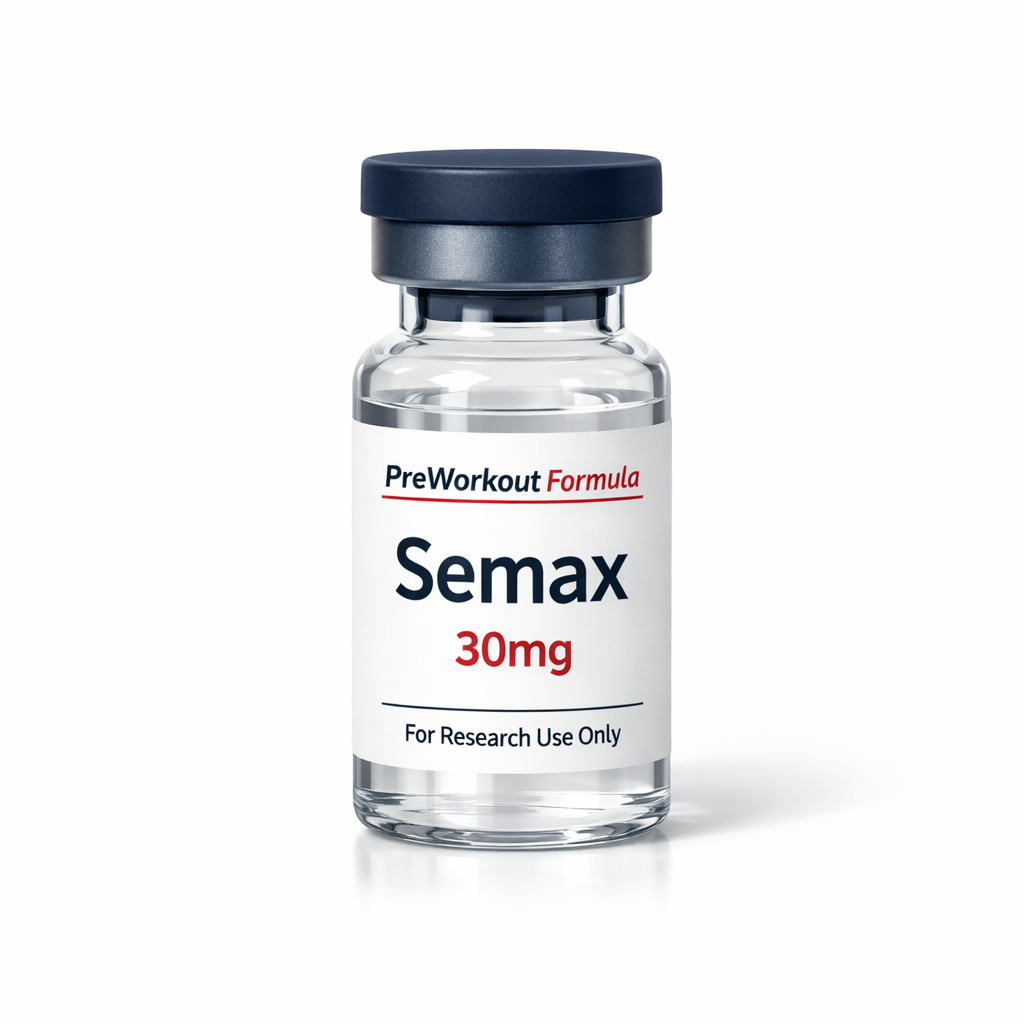
Semax
$39.99
Semax — a synthetic heptapeptide analog of ACTH(4-10) with a Pro-Gly-Pro stabilizing extension. Studied for neurotrophic factor expression and cognitive research. 99%+ purity, HPLC verified. 5mg per vial. For research use only.
Description
Semax — ACTH(4-10) Analog for Neurotrophic Research
Between 1982 and 2011, the Institute of Molecular Genetics at the Russian Academy of Sciences published over 100 papers on a single seven-amino-acid peptide. Semax — an engineered analog of the ACTH(4-10) fragment — demonstrated consistent upregulation of BDNF and NGF expression across multiple tissue models. No receptor desensitization. No tolerance in extended protocols. Those two characteristics alone set it apart from most compounds in the nootropic research space.
Semax takes the melanocortin fragment ACTH(4-10) — Met-Glu-His-Phe-Pro-Gly-Pro — and replaces the native C-terminus with a stabilizing Pro-Gly-Pro sequence. Same approach used for Selank, different parent peptide, entirely different mechanism.
Molecular Profile
| Specification | Detail |
|---|---|
| Sequence | Met-Glu-His-Phe-Pro-Gly-Pro |
| Molecular Weight | 813.97 Da |
| CAS Number | 80714-61-0 |
| Purity | ≥99% (HPLC) |
| Form | Lyophilized powder |
| Quantity | 5mg per vial |
| Storage | -20°C lyophilized; 2-8°C reconstituted |
Research Applications
Semax’s neurotrophic effects center on upregulation of brain-derived neurotrophic factor (BDNF) and nerve growth factor (NGF). Dolotov et al. (2006, Neuroscience Letters) measured a 1.4-1.8x increase in BDNF mRNA in rat hippocampus and cortex following Semax administration — effects that persisted for 24 hours after a single dose.
Published research areas:
- Neurotrophic factor expression — Dose-dependent BDNF and NGF upregulation documented across cortical, hippocampal, and basal forebrain tissue (Dolotov et al., 2006; Agapova et al., 2008)
- Cerebrovascular research — Gusev et al. (1997, Zhurnal Nevrologii i Psikhiatrii) published data on neuroprotective effects in ischemic brain injury models, leading to regulatory approval in Russia for this indication
- Cognitive function models — Elevated plus maze, passive avoidance, and Morris water maze studies show consistent effects on memory consolidation and retrieval under various stress paradigms
- Gene expression profiling — Genome-wide microarray studies reveal Semax modulates over 60 genes in the first 6 hours post-administration, spanning neurotransmitter metabolism, vascular regulation, and immune signaling pathways (Agapova et al., 2008)
- Melanocortin system research — As an ACTH fragment analog, Semax interacts with MC3 and MC4 receptor subtypes, connecting it to broader melanocortin signaling research
Reconstitution & Storage
Reconstitute lyophilized Semax with bacteriostatic water. The Pro-Gly-Pro tail provides enhanced resistance to aminopeptidase degradation compared to native ACTH(4-10). Store lyophilized at -20°C. Reconstituted solution at 2-8°C, use within 21 days.
Analytical Standards
Every lot undergoes third-party HPLC purity analysis and mass spectrometry identity verification. No undisclosed additives or excipients.
Related Products
Neurotrophic and neuropeptide researchers frequently investigate these compounds in parallel:
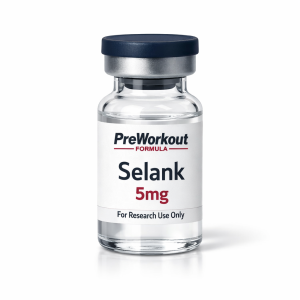
- Selank — tuftsin-derived anxiolytic peptide, developed by the same research institute as Semax
- Epithalon — telomerase and cellular longevity research
- Sermorelin — GH-releasing hormone analog for neuroendocrine studies
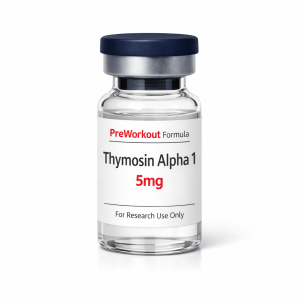
- Thymosin Alpha 1 — immune regulation peptide research
Frequently Asked Questions
What is Semax derived from?
Semax is a synthetic analog of ACTH(4-10) — the 4th through 10th amino acid residues of adrenocorticotropic hormone. A Pro-Gly-Pro extension replaces the native C-terminus to increase protease resistance and half-life.
How does Semax increase BDNF in research models?
Dolotov et al. demonstrated 1.4-1.8x BDNF mRNA increases in hippocampal and cortical tissue. The mechanism appears to involve melanocortin receptor activation leading to CREB phosphorylation, which drives BDNF gene transcription. Effects were sustained for 24 hours post-administration.
What is the difference between Semax and Selank?
Different parent peptides. Semax derives from ACTH(4-10) — a melanocortin fragment — targeting neurotrophic factor expression and cognitive research. Selank derives from tuftsin — an immune peptide — targeting GABAergic/anxiolytic and immune pathways. Both use the PGP stabilizing tail, both developed at the same Moscow institute.
Does Semax interact with melanocortin receptors?
Yes. As an ACTH fragment analog, Semax shows activity at MC3 and MC4 receptor subtypes. However, it lacks the first three amino acids of ACTH required for adrenal steroidogenic activity, so it does not stimulate cortisol production.
What genes does Semax modulate?
Microarray studies by Agapova et al. identified over 60 genes affected within 6 hours, spanning neurotransmitter metabolism, vascular tone regulation, immune signaling, and neuroprotective pathways. The breadth of gene modulation suggests multiple downstream mechanisms beyond direct receptor binding.
What is the purity of this Semax?
≥99% by third-party HPLC analysis. Full certificates of analysis available per lot number.
Is Semax approved for any use internationally?
Semax holds regulatory approval in Russia for specific indications. In most other countries, it remains a research compound. All PreWorkout Formula sales are for qualified research use only.
Where can I buy Semax for research?
PreWorkout Formula stocks HPLC-verified Semax at 99%+ purity with fast shipping. Sold exclusively for legitimate research purposes.
This product is intended for laboratory and research use only. Not for human consumption. By purchasing, you agree to use this product solely for legitimate research purposes.